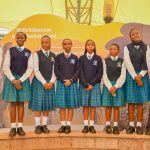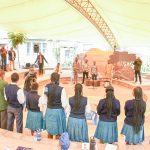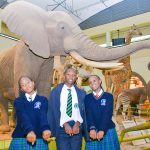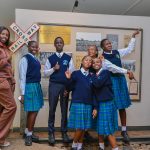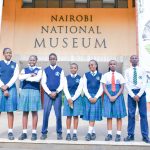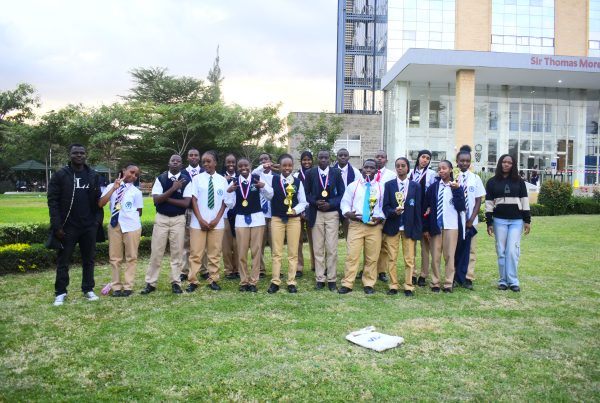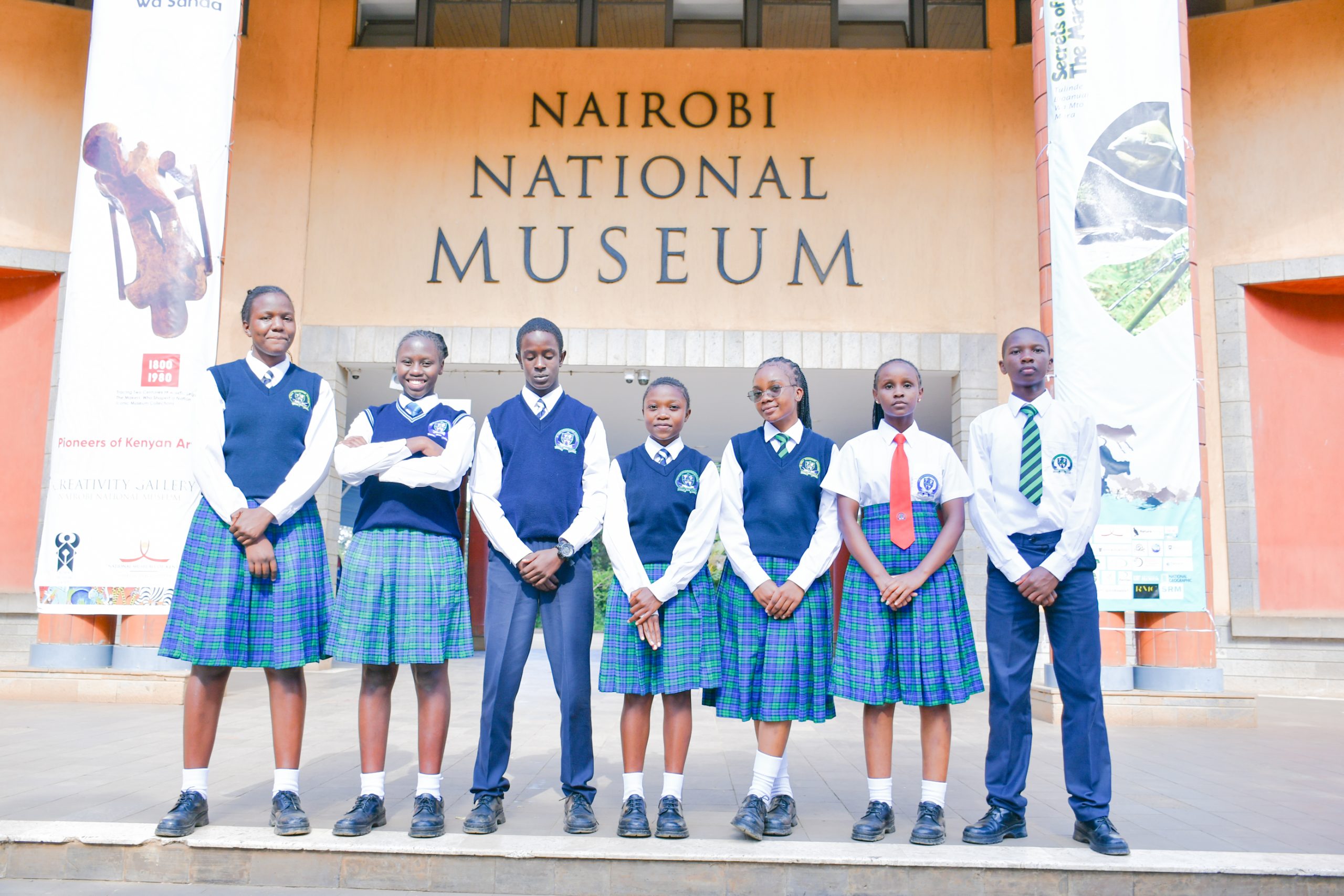

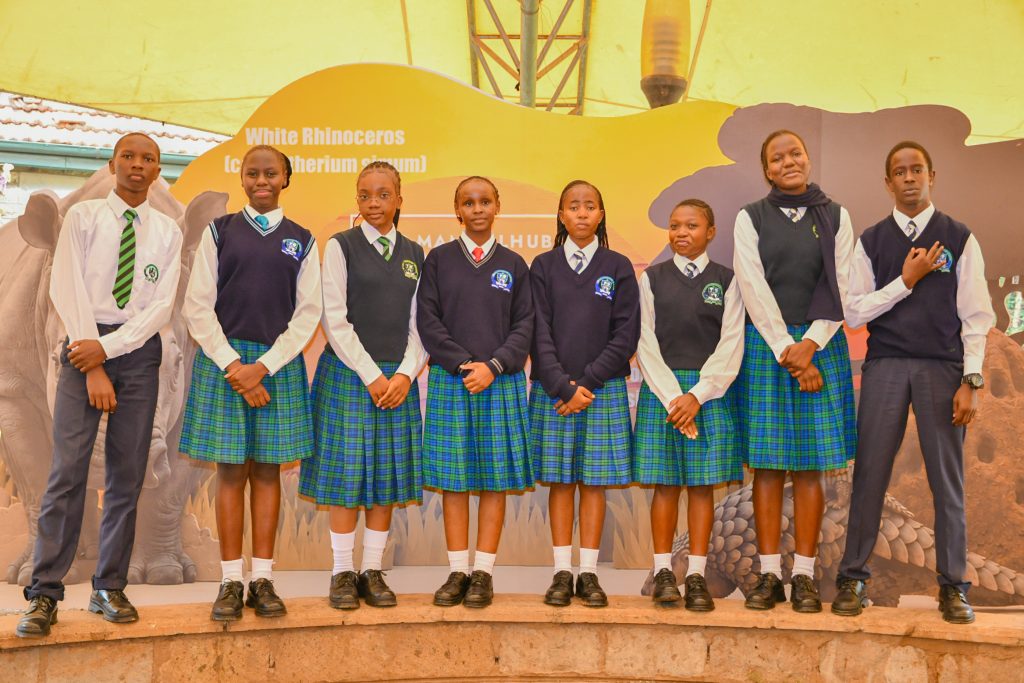

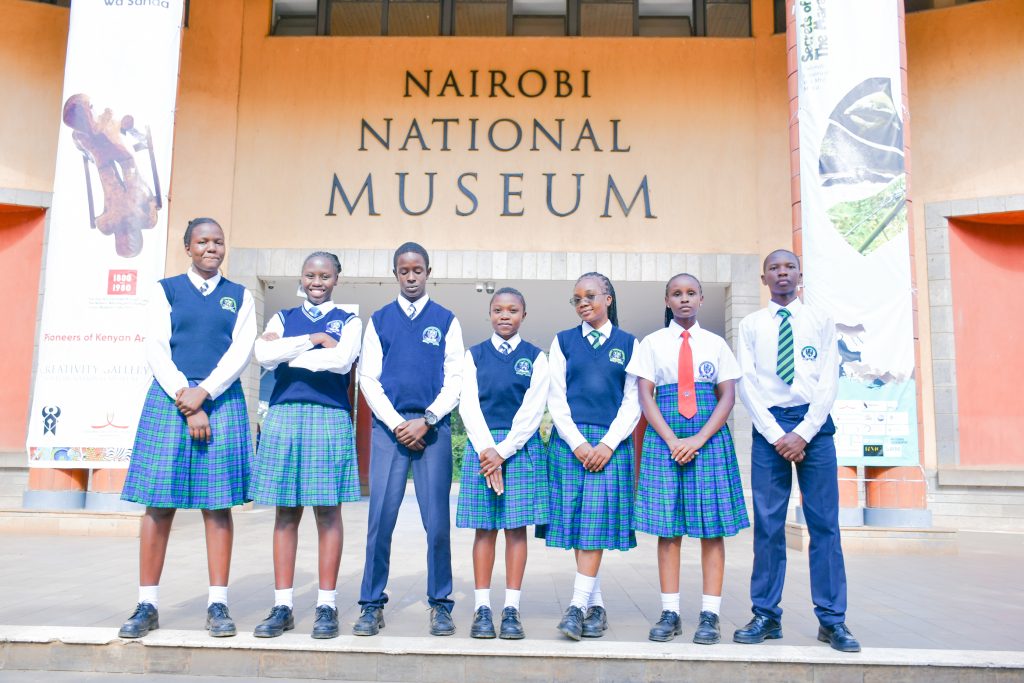
Nine student poets and spoken-word artists had the opportunity to participate in the Pangolin and Rhino Day Programme held at the National Museum of Kenya on Friday, 5th June. It was organised through a collaboration between the Ditsong National Museum of Natural History in Pretoria and MuseumsLab. The programme aimed to raise awareness about the conservation and protection of pangolins and rhinos through creative writing, artistic expression, and educational activities.
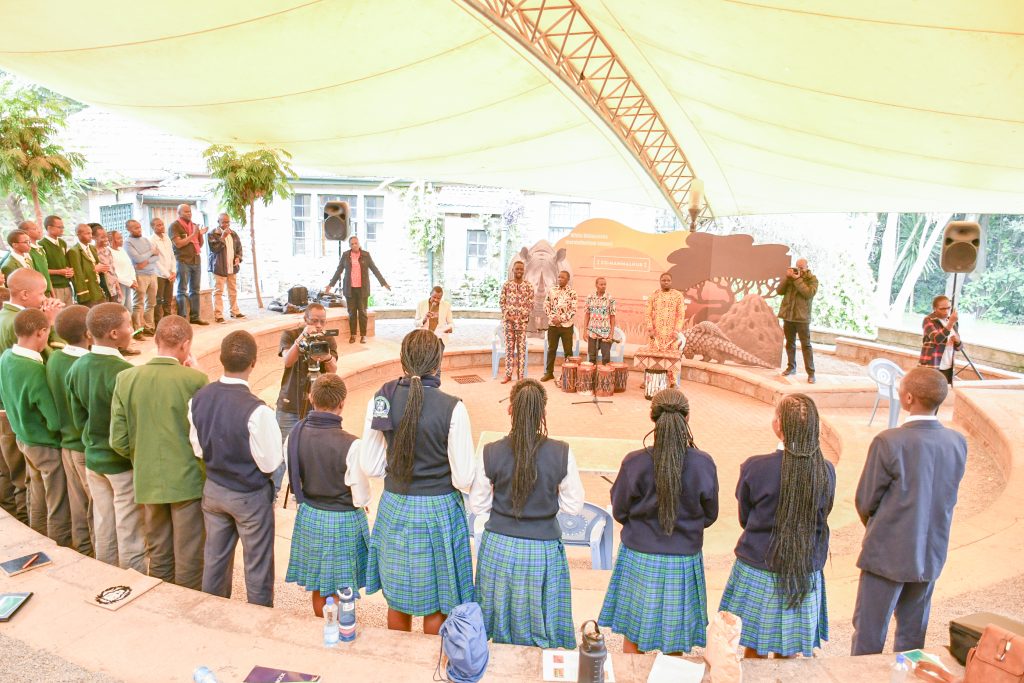
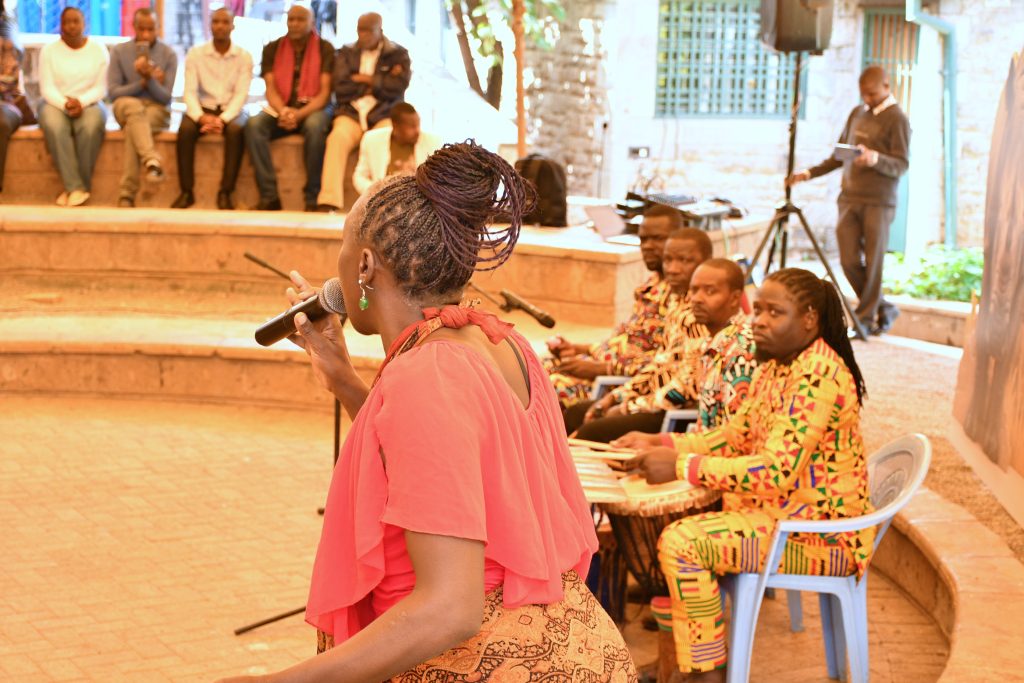
The event brought together students from four schools, creating a platform for young people to engage with important environmental issues while showcasing their talents. After registration, there came an introduction to the history and significance of the museum. Participants then attended a session by experienced storytellers who shared captivating narratives about nature, wildlife, and the importance of preserving the environment. These stories not only entertained the audience but also highlighted the urgent need to protect endangered species and their habitats.
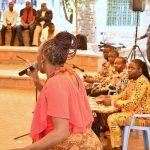
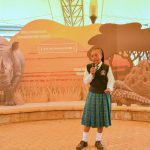
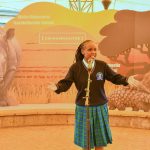
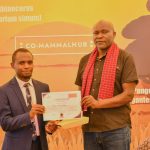
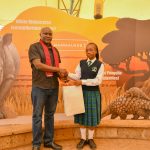
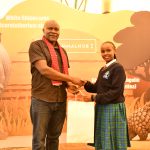
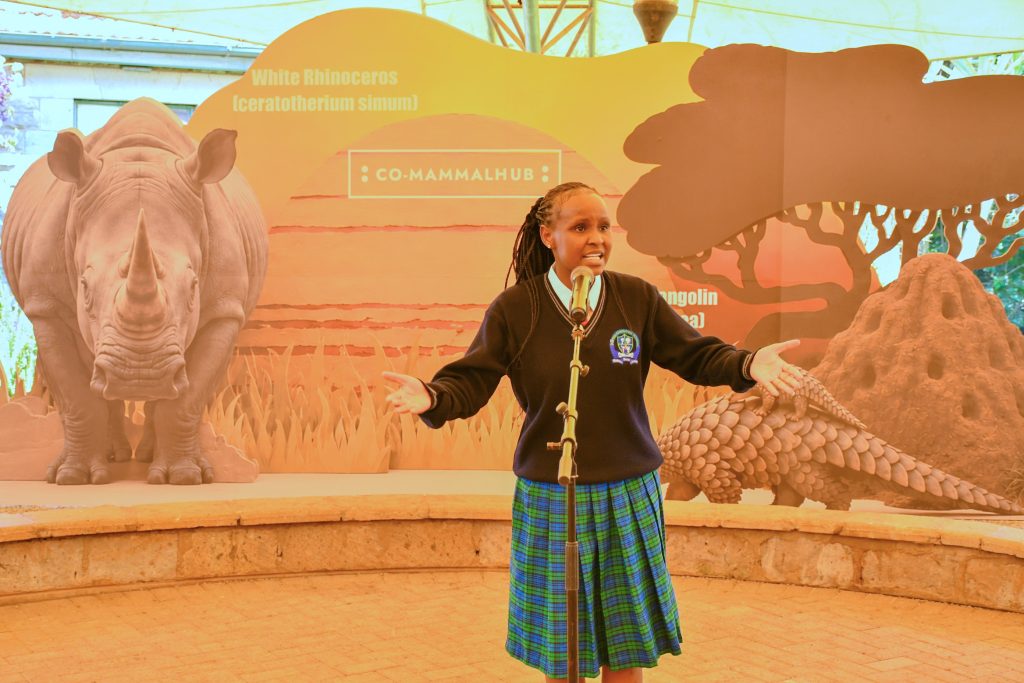
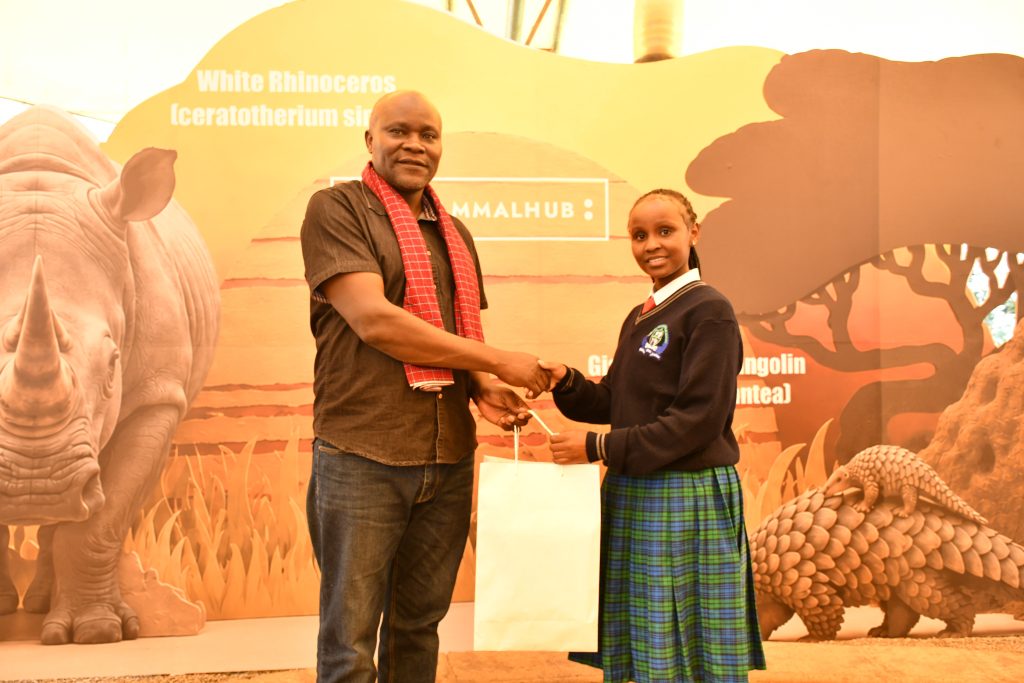
Students were later given the opportunity to present their original creative pieces centred on wildlife conservation. Through poetry and spoken-word performances, participants expressed their concerns about the threats facing pangolins and rhinos, including habitat loss, poaching, and illegal wildlife trade. The performances demonstrated remarkable creativity, passion, and environmental awareness. They also illustrated the power of art as a tool for advocacy, education, and social change. Outstanding presentations were recognised and rewarded, celebrating the students’ efforts to use their voices in support of conservation.
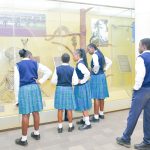
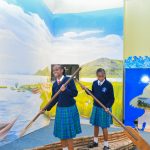
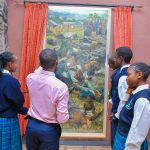
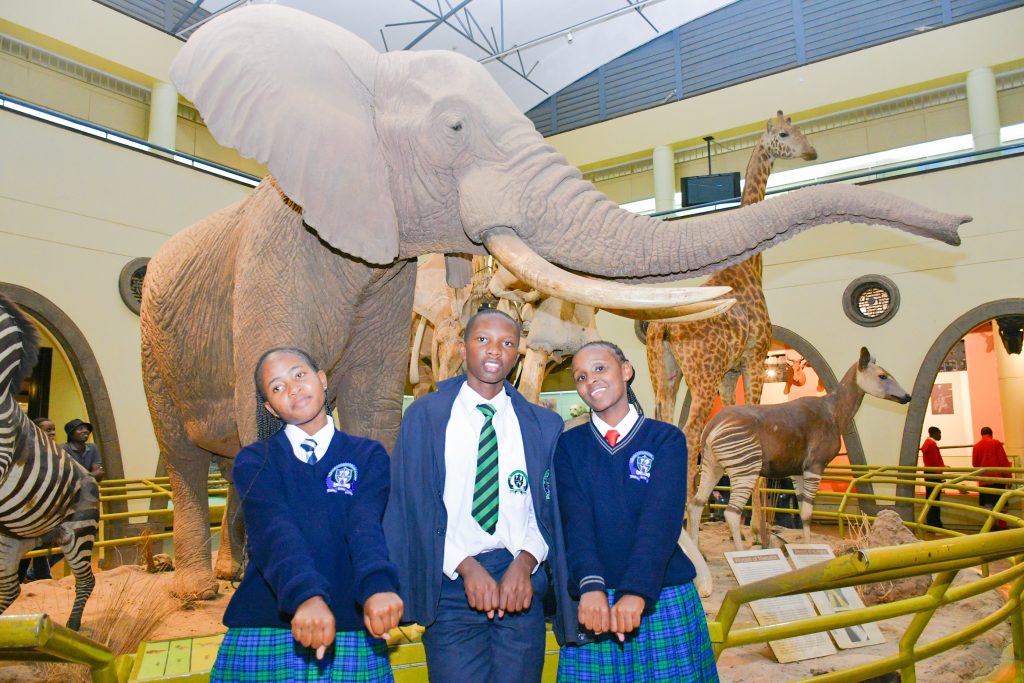
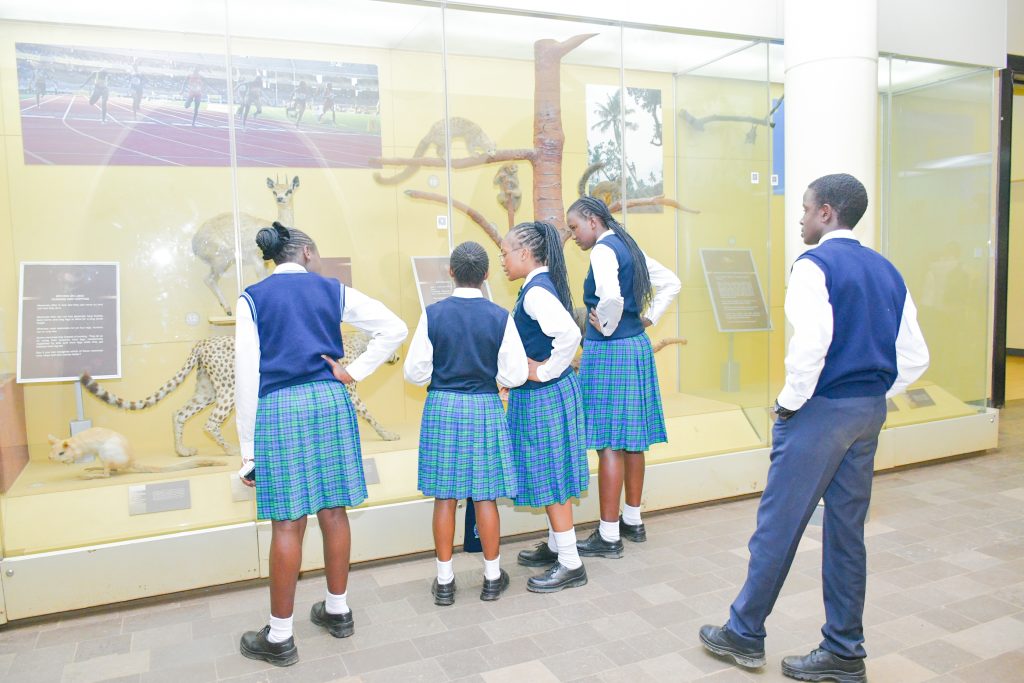
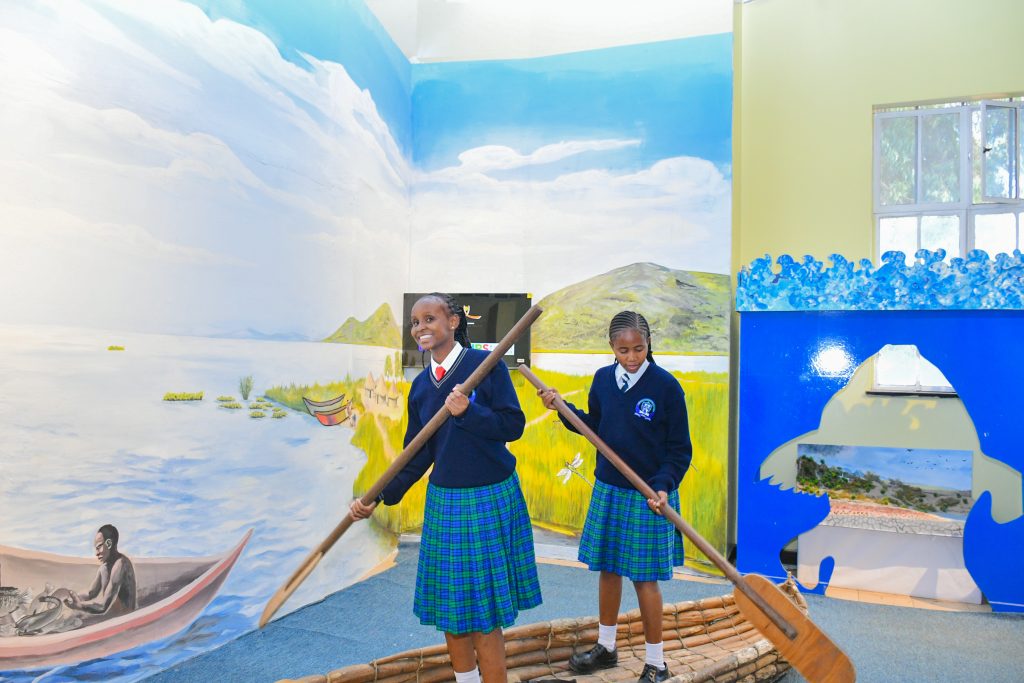
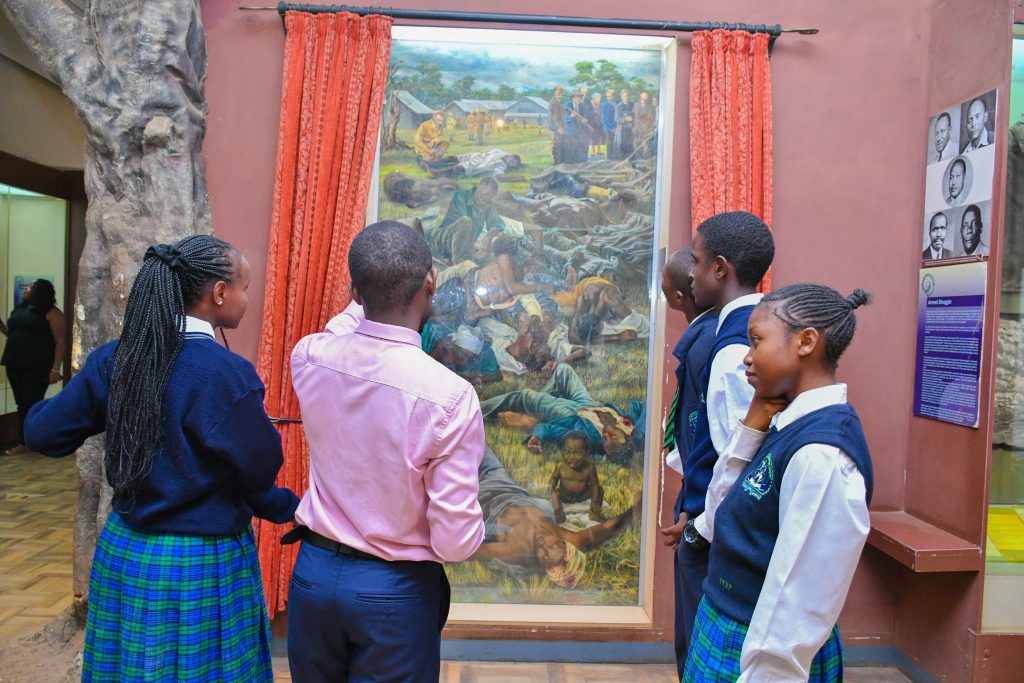
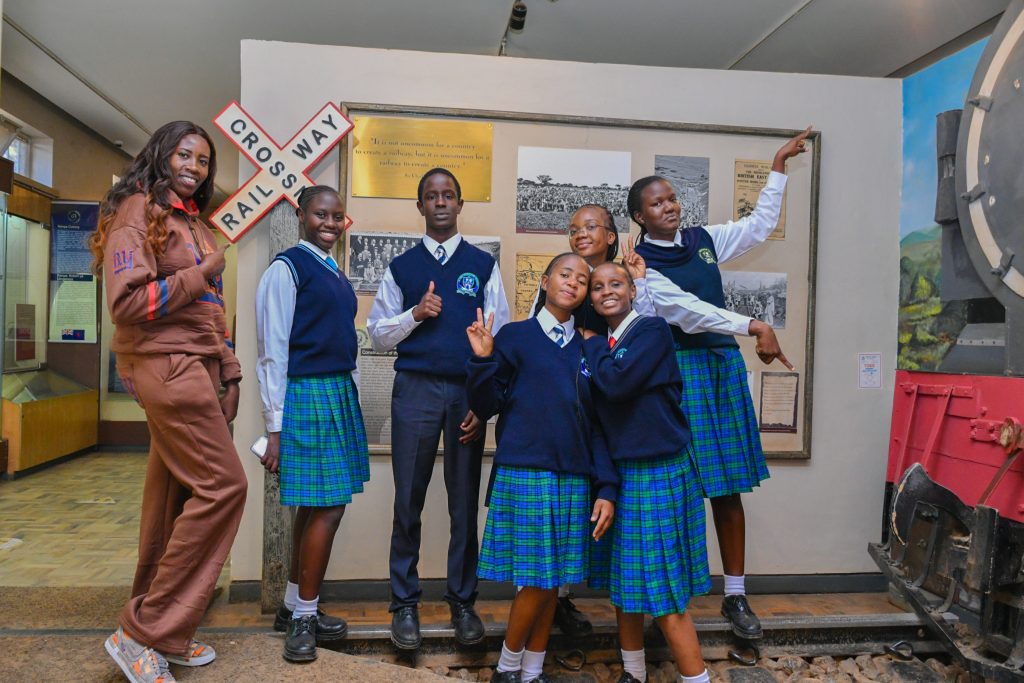
Serian Uchi delivered a spoken-word performance, while Cheryl Cosmas presented a poem, with their exceptional presentations earning special recognition. The programme concluded with a guided tour of the museum galleries, where students explored exhibitions that provided insights into Kenya’s heritage, biodiversity, and aspects of world history. The gallery experience complemented the conservation theme of the day by deepening participants’ understanding of the relationship between people, history, and the natural world.
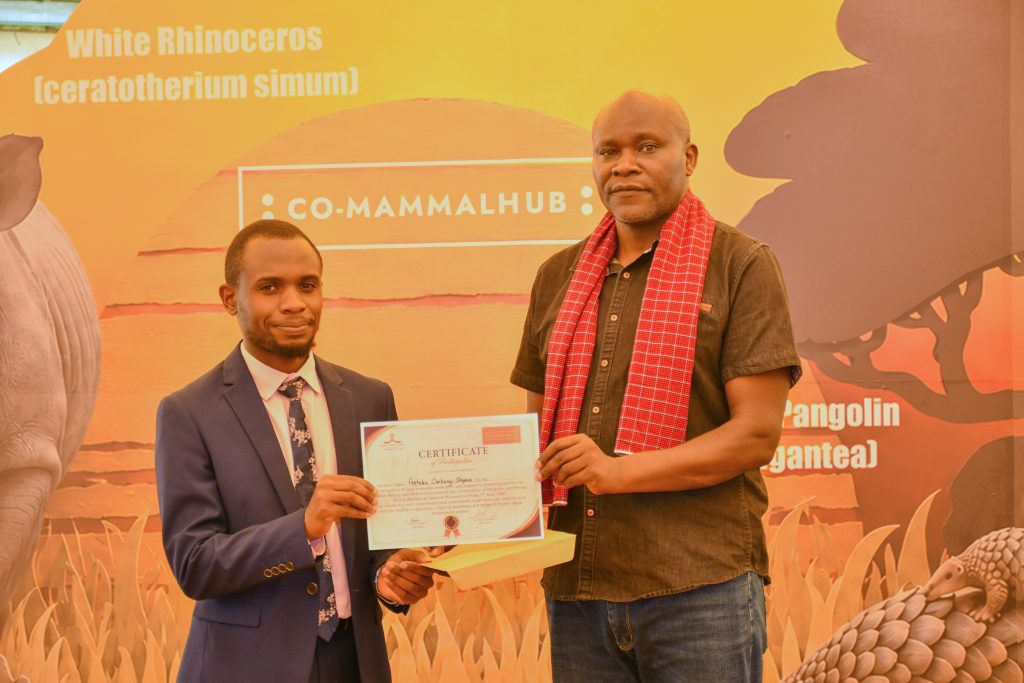
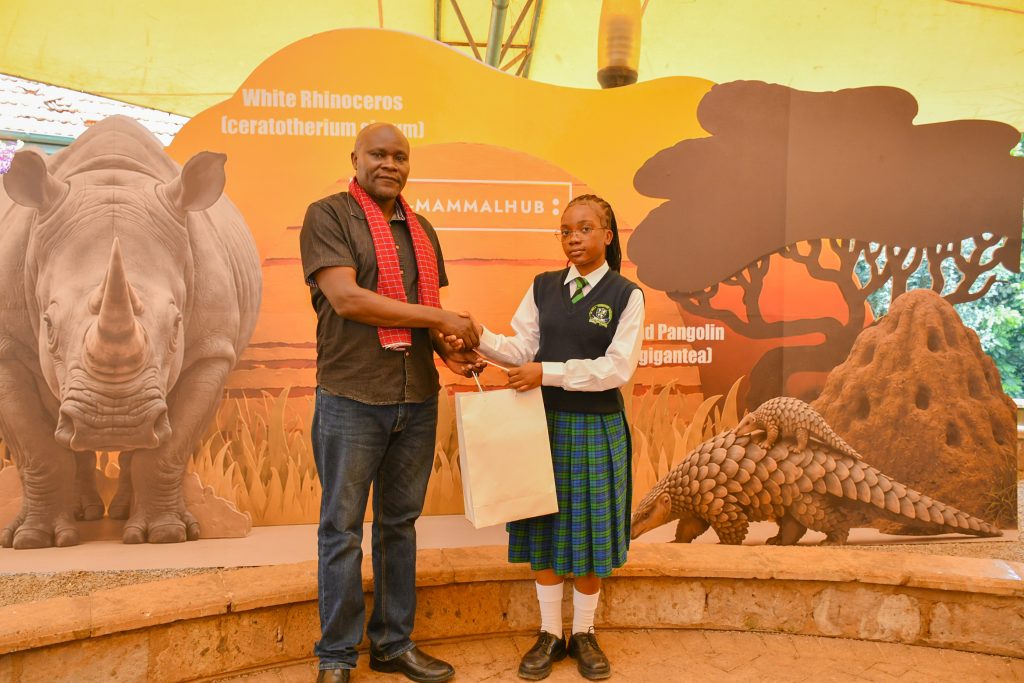
In addition to the knowledge gained, participants received certificates of participation, books on conservation, paints, and brushes. These tokens served as both recognition of their outstanding involvement and encouragement to continue using creativity to promote environmental awareness.
Overall, the Pangolin and Rhino Day Programme was an inspiring and enriching experience. It reinforced the importance of protecting endangered species and demonstrated how creative expression can be used to raise awareness about critical environmental challenges. The event not only strengthened students’ appreciation for wildlife conservation but also empowered them to become advocates for the protection of Kenya’s rich natural heritage.