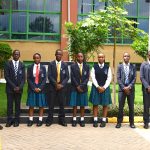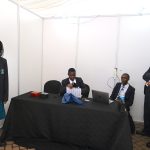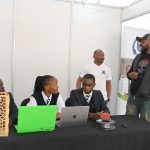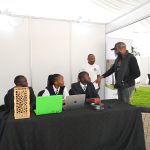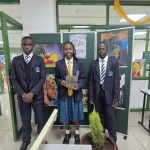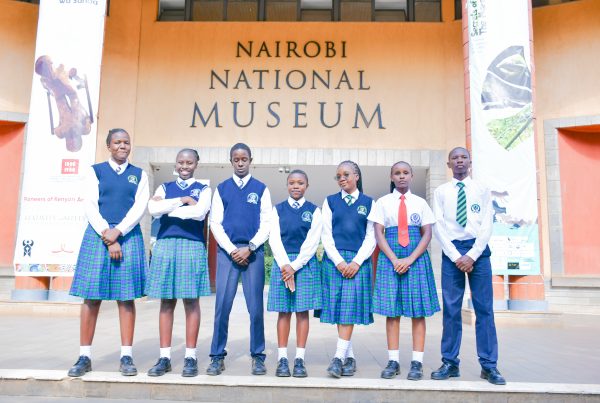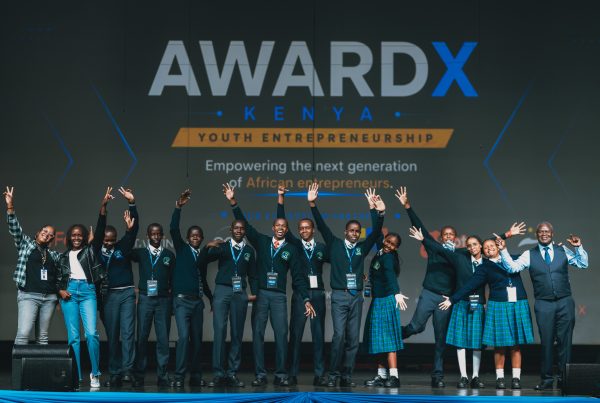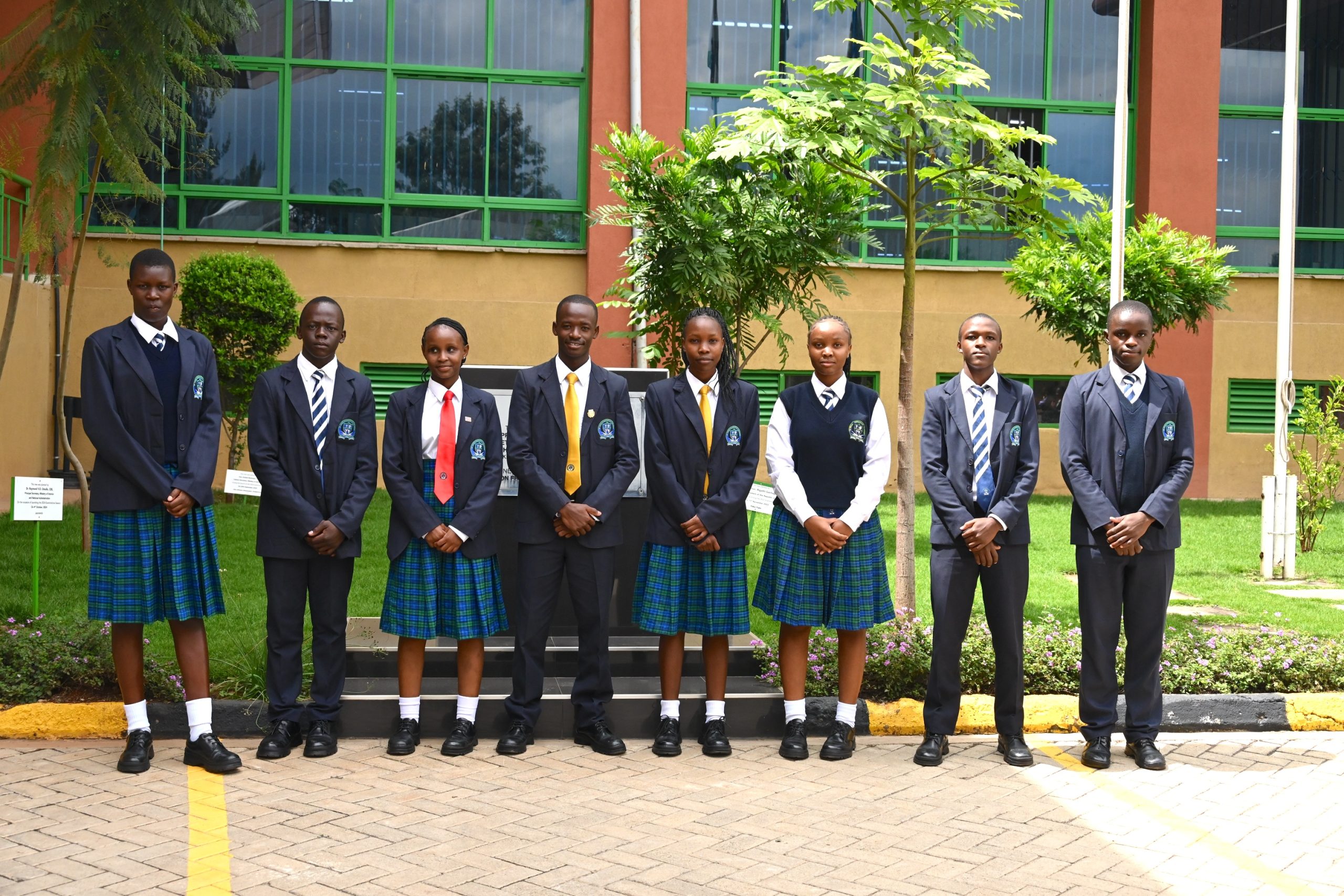

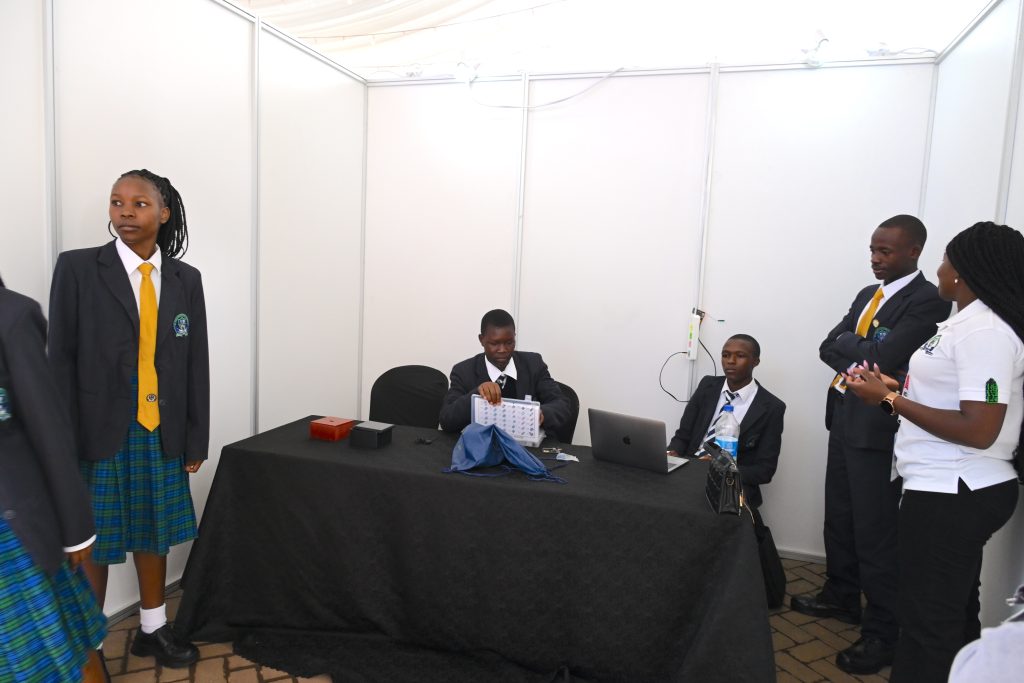
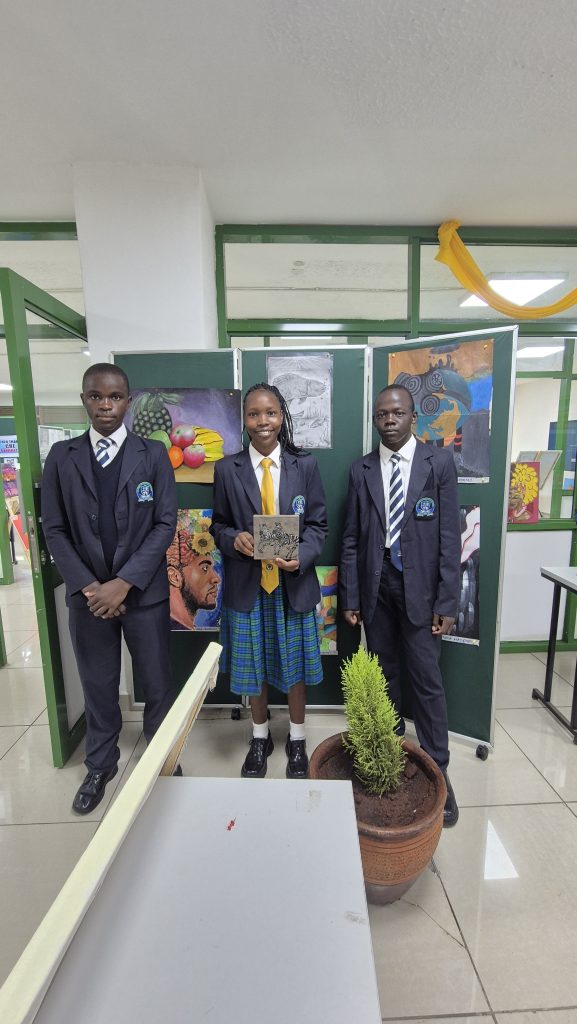
On 4th May 2026, a group of students attended the 2026 EARC Symposium at the KNEC grounds to represent the school’s arts and innovation departments. The symposium brought together students, educators, and experts to explore Competency-Based Education (CBE) and discuss the future of learning, innovation, and creativity in Kenya. The event provided an engaging platform for learners to showcase ideas, interact with other schools, and participate in meaningful conversations about solving real-world challenges through STEM and the arts.
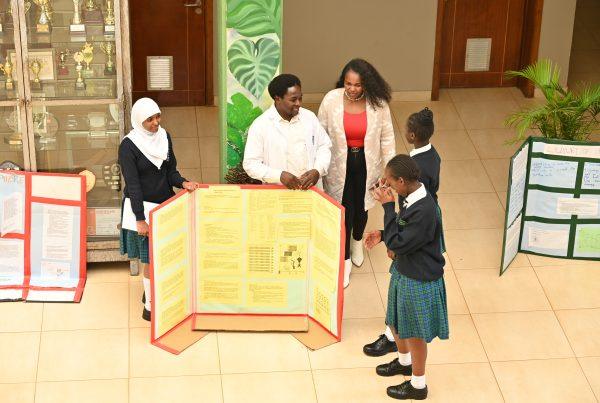
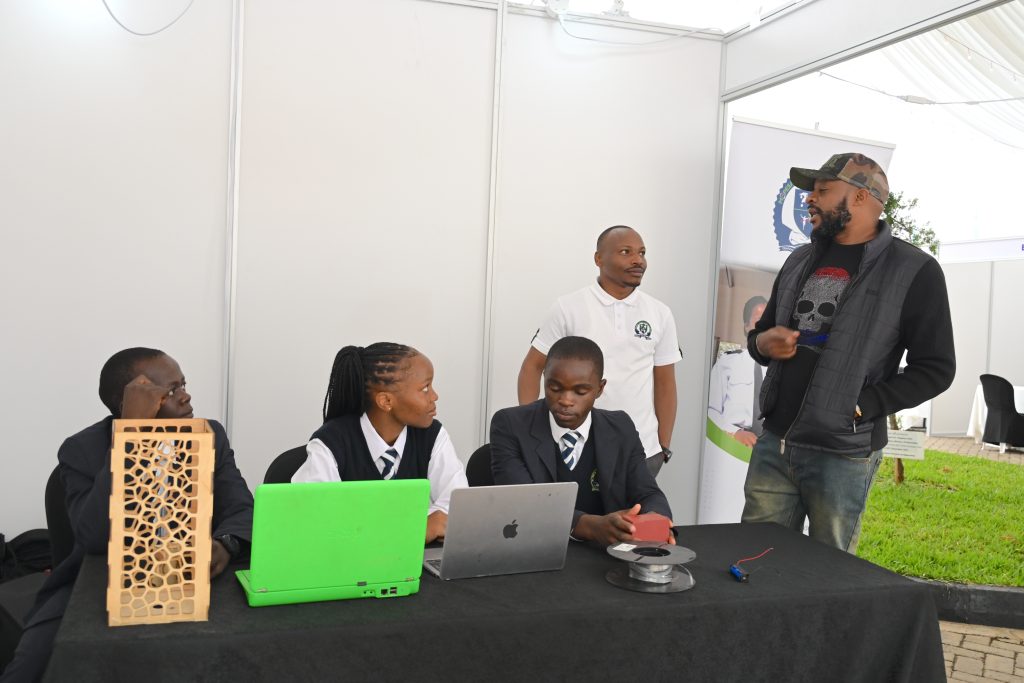
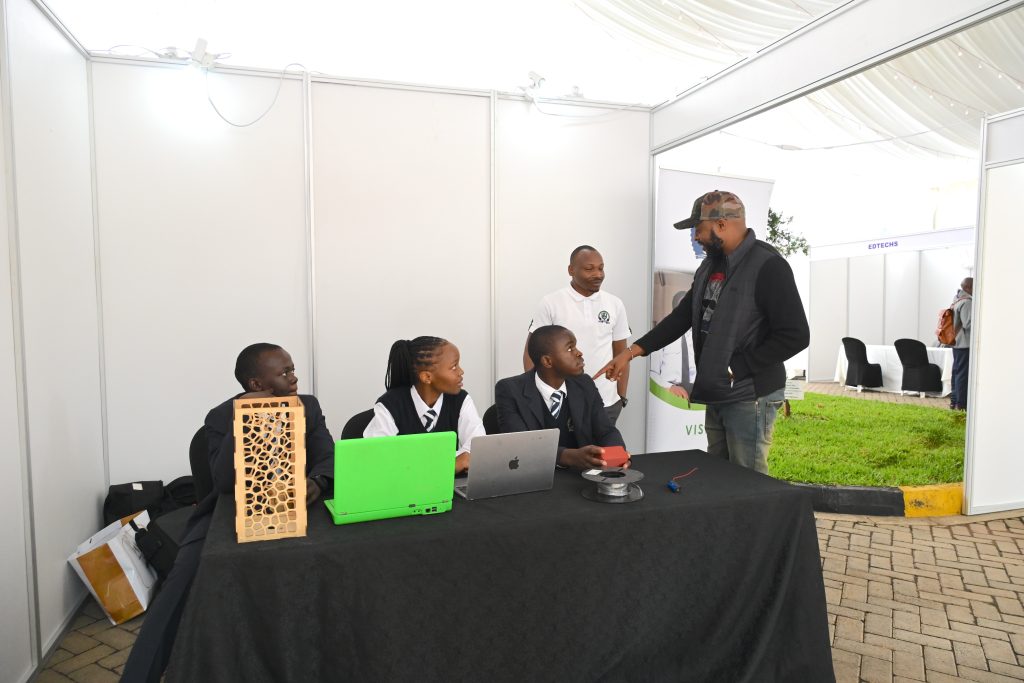
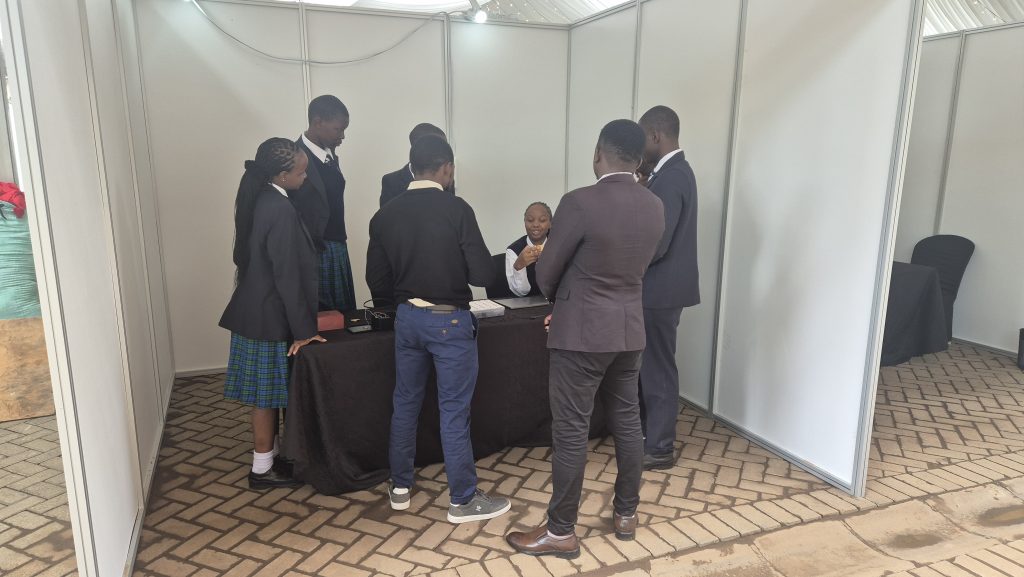
One of the major highlights of the symposium was presenting our innovation projects, including Okoa Maji+, a livestock tracker, and CNC machine products. These projects demonstrated the application of technology and engineering in addressing community challenges. Developing the prototypes strengthened our skills in coding, hardware integration, precision engineering, and problem-solving.
The Okoa Maji+ project particularly focused on addressing water scarcity and food insecurity in arid and semi-arid regions such as Turkana and Isiolo. Due to climate change, these regions continue to experience frequent droughts, unreliable rainfall, and poor farming conditions that affect agricultural productivity. Inspired by the struggles faced by smallholder farmers who rely heavily on rain-fed farming, the project aimed to promote sustainable farming practices through efficient water use and improved agricultural methods.
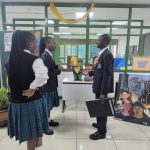
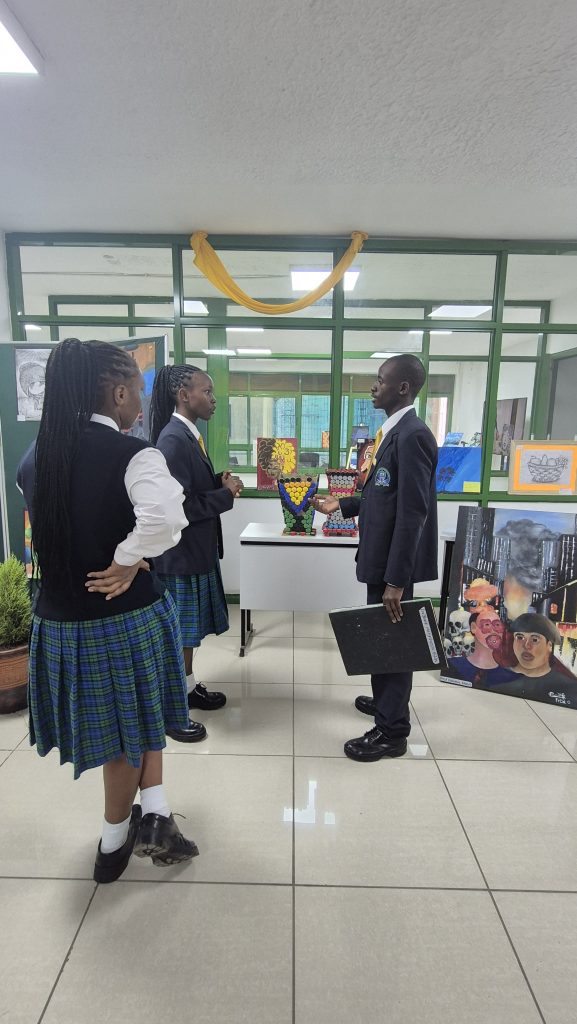
During the exhibition, visitors, educators, and students from other schools showed great interest in our innovations. The feedback and advice we received encouraged us to think about how these solutions could be improved and scaled for greater impact within local communities.
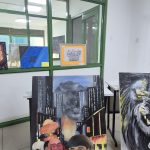
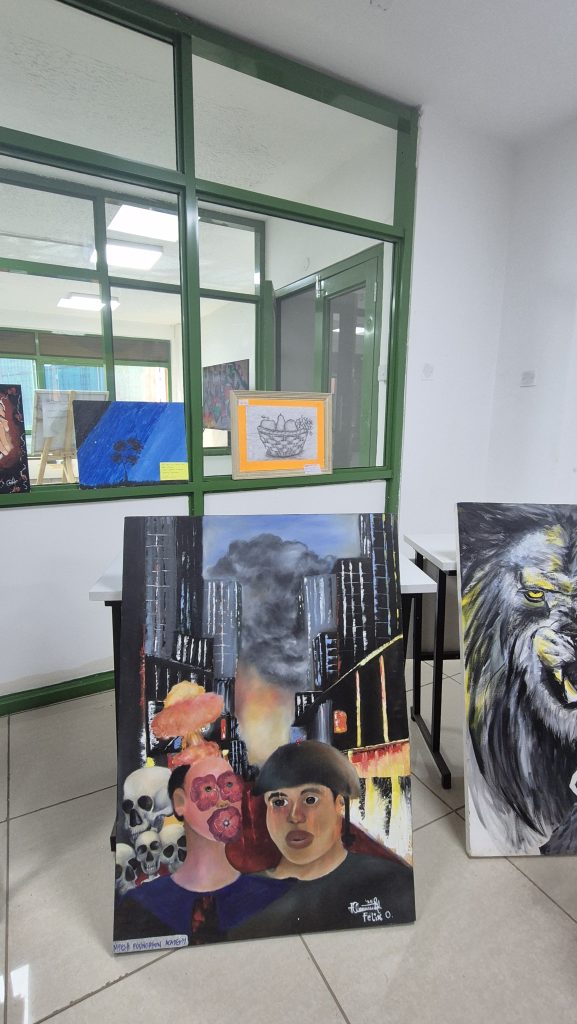
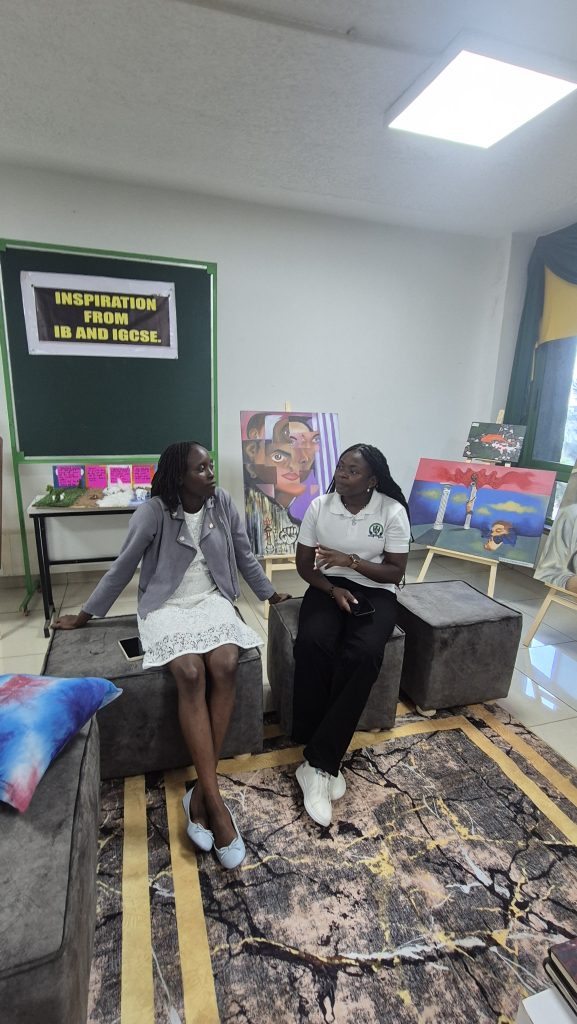
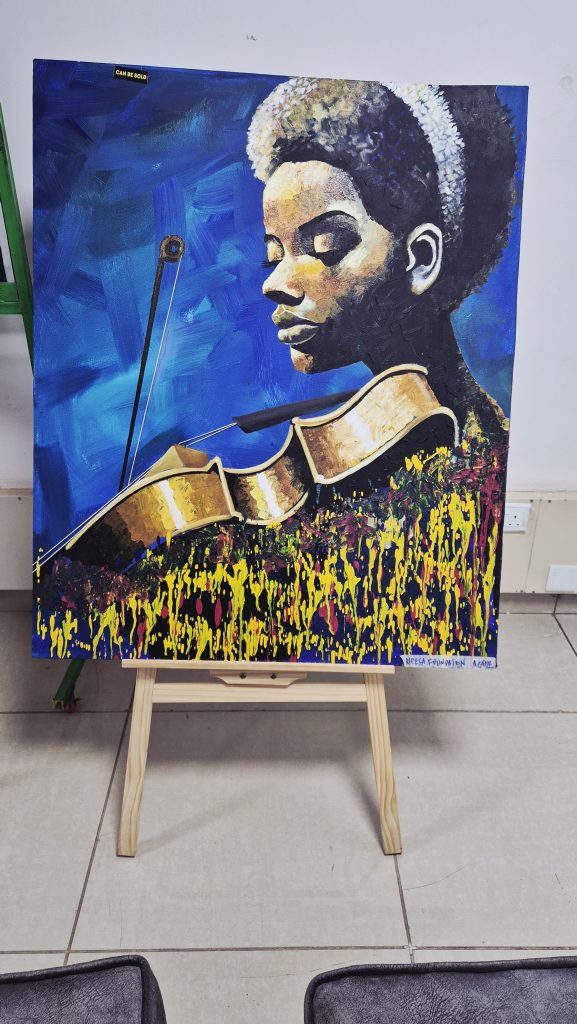
Alongside the STEM exhibition, the art showcase highlighted creativity through detailed drawings and vibrant tie-and-dye textiles exploring themes of environmental conservation and cultural identity. Students also demonstrated hand-sketching techniques and fabric dye preparation methods. The audience connected deeply with the visual storytelling and textile patterns, showing how art can communicate powerful ideas and inspire appreciation for culture and sustainability.
The symposium also featured insightful discussions on integrating Artificial Intelligence (AI) into education and improving competency-based assessments. One of the key lessons from these sessions was that technology should not replace critical thinking but instead support creativity, innovation, and collaboration.
Beyond showcasing projects, the symposium helped students improve their communication, teamwork, and presentation skills through interactions with judges, educators, and fellow participants. The experience demonstrated that student-led innovations and creative expression can make meaningful contributions to society.
Overall, the 2026 EARC Symposium successfully showed how competency-based learning bridges the gap between theory and practical application. Students gained valuable technical knowledge, creative exposure, and fresh perspectives on innovation and problem-solving. We sincerely thank our teachers and the event organisers for providing us with this empowering and memorable opportunity.
By: Otunga Marvelous & Cheryl Cosmas